
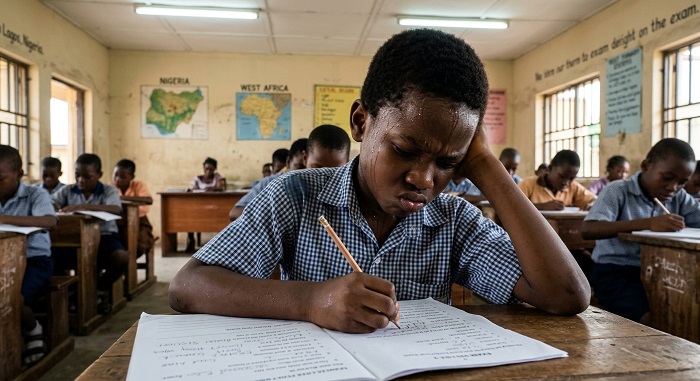
Every child learns differently—but sometimes, a drop in academic performance is a quiet call for help.
As a parent, it is natural to celebrate good grades and academic achievements. However, paying attention when things begin to change can be just as important. A child who suddenly loses interest in school, struggles with assignments or avoids studying may not simply be “lazy.” They may be experiencing a learning difficulty, losing confidence, feeling overwhelmed or needing additional support.
Here are five signs parents should watch out for.
1. A Sudden Drop in Grades
If your child who normally performs well begins bringing home significantly lower scores, don't immediately assume they have stopped trying. A sudden change may indicate that they are struggling to understand a topic, keeping up with lessons or managing their workload.
Instead of asking, “Why did you fail?” try asking, “Which part was difficult for you?”
2. Avoiding Homework and Schoolwork
Does your child constantly postpone homework, complain about assignments or become unusually frustrated whenever it's time to study?
This could be a sign that the work feels too difficult. While children can certainly procrastinate, persistent avoidance deserves attention—especially when it is accompanied by tears, frustration or fear.
3. Losing Interest in School
A child who once enjoyed going to school but suddenly becomes uninterested may be experiencing an academic or emotional challenge.
Listen carefully when your child says things like, “I hate school,” or “I'm not good at anything.” Such statements may reveal a loss of confidence or difficulty coping with schoolwork.
4. Difficulty Concentrating
If your child frequently forgets instructions, struggles to complete tasks, gets distracted easily or takes unusually long to finish simple assignments, they may need additional support.
Before concluding that the child is simply inattentive, consider whether they understand the work, have a suitable study environment and are getting enough rest.
5. Becoming Anxious or Losing Confidence
Academic struggles can affect a child's confidence. You may notice your child becoming unusually quiet, nervous about tests, afraid of answering questions or comparing themselves negatively with classmates.
Remember: a poor result is a performance, not a definition of your child's ability or future.
What Can Parents Do?
The first step is communication, not punishment. Talk calmly with your child and listen without immediately judging them. Speak with their teacher to understand what is happening in the classroom and identify areas where support may be needed.
Create a positive study routine at home, celebrate improvement—not just perfect scores—and encourage your child to ask questions whenever they don't understand something.
Most importantly, avoid comparing your child with siblings, classmates or friends. Every child has a unique pace, strengths and learning style.
🌟 Early Support Can Make a Big Difference
Academic challenges do not mean a child cannot succeed. With patience, encouragement, effective teaching and the right support, many students can regain their confidence and improve significantly.
Don't wait for the report card to tell you your child needs help. Sometimes, the signs are already there—if you take the time to notice.
No comments yet. Be the first to share your thoughts.
Comments 0
Share your thoughts about this story.